Picking a finish for your light fixtures sounds like the easy part of a renovation — and then you get to the checkout page, second-guess everything, and end up with a brushed nickel pendant in a kitchen that’s already packed with matte black hardware. A finish is just the surface coating or treatment applied to a metal fixture: it controls color, sheen level, and how the fixture weathers over time. The three finishes dominating design conversations right now — matte black, aged brass, and brushed nickel — look very different from each other and play by different rules depending on your existing hardware, your cabinetry tone, and how much visual drama you want. This guide cuts through the decision paralysis. By the end, you’ll have a clear framework — not just an aesthetic mood board — for choosing the finish that makes sense for your specific room and won’t feel dated by 2028.
Why Finish Matters More Than the Fixture Shape
Here’s the counterintuitive truth: most people agonize over fixture silhouette and spend about ninety seconds on finish. That’s backward.
A fixture’s shape reads from across the room. Its finish is what you register up close — every time you walk past the kitchen island, every time a guest reaches for a light switch. Finish is also the variable most likely to clash with things you cannot easily change: cabinet hardware pulls, plumbing faucets, door hinges, and appliance trim.
Architectural Digest’s coverage of whole-home finish strategy consistently makes this point: the finish you choose for lighting should be selected after you’ve catalogued the fixed metals in the space, not before. Your faucet finish, your refrigerator handle, and your cabinet pulls are anchors. Your lighting finish either harmonizes with those anchors or intentionally contrasts them — but either way, it needs a deliberate relationship to them.
The second reason finish selection deserves more attention: durability and maintenance variance across finishes is significant, and it’s rarely discussed at the fixture showroom level. This Old House’s overview of fixture finishes notes that some coatings — particularly true lacquered brass and polished chrome — show fingerprints, water spots, and micro-scratches far more readily than matte or brushed alternatives. That matters a lot in a kitchen or bathroom, somewhat less in a dining room pendant you never touch.
The Finish Tradeoff Matrix: What Each One Actually Does
Before picking, you need an honest accounting of each finish’s strengths and liabilities.
Matte Black: High Contrast, Lower Forgiveness
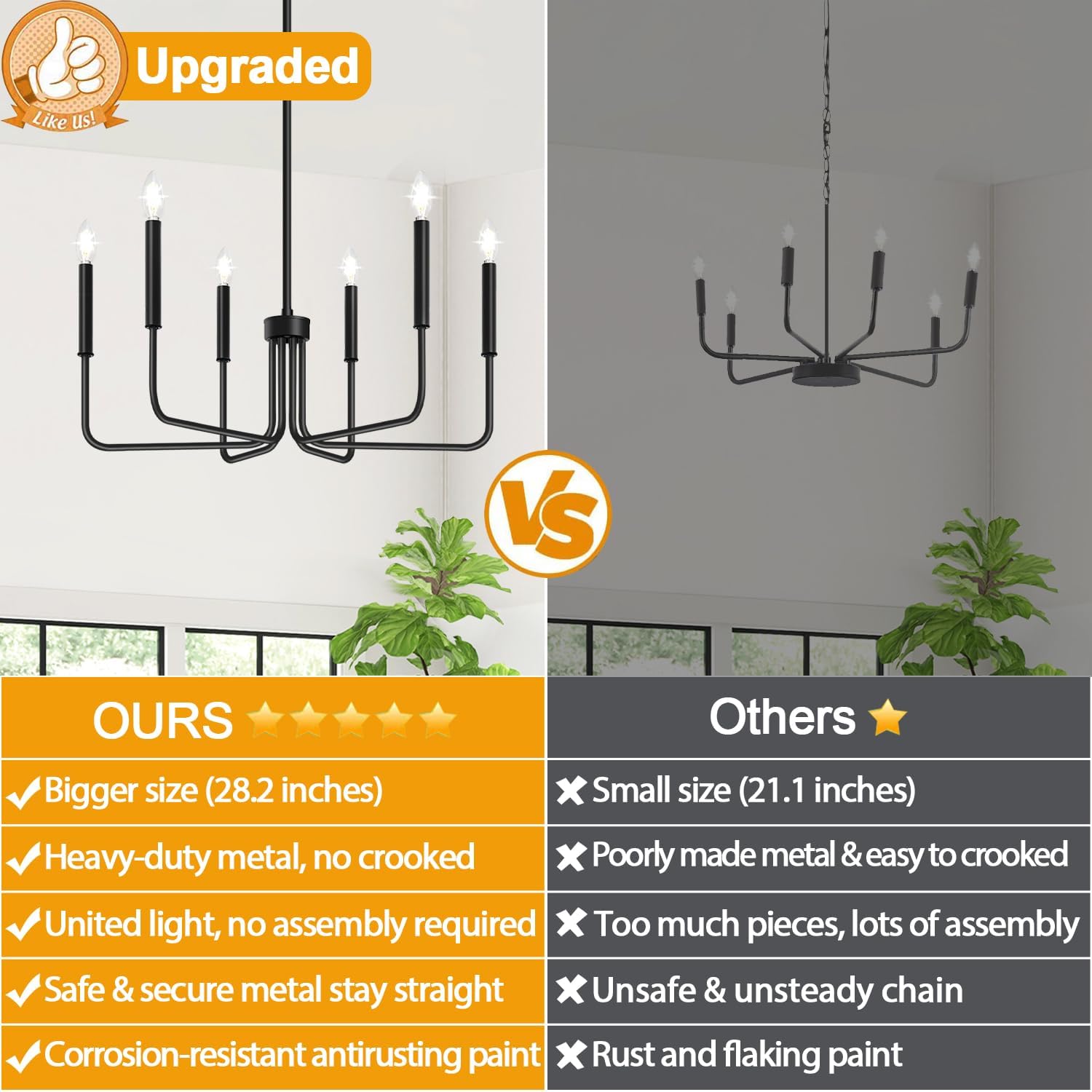
Matte black fixtures deliver graphic punch. They read as intentional, modern, and architectural — which is exactly why they surged through 2021–2024 and are now visible in virtually every price tier from builder-grade to designer. Houzz’s 2025 Kitchen Fixture and Hardware Trends Report found matte black still ranking in the top two finishes specified for kitchen pendants and island lighting.
What works in its favor: Matte (non-reflective) surfaces hide dust, fingerprints, and minor surface wear far better than shiny alternatives. A matte black pendant over a white marble island or white shaker cabinets creates a clean, high-contrast anchor. It coordinates easily with black appliance trim, black cabinet hardware, and even with darker grout lines.
The real tradeoffs:
- Matte black is contextually demanding. In a warm, wood-heavy kitchen with honey-toned cabinetry, it can read cold and disconnected rather than intentional.
- It’s now common enough that it reads as “on trend” rather than “considered” in some design circles — not a dealbreaker, but worth noting if longevity is a priority.
- Mixing matte black fixtures with brushed gold or warm brass hardware is doable, but requires enough contrast between the two tones to look intentional rather than accidental. Apartment Therapy’s 2025 mixed-metals feature suggests a two-to-one ratio: one dominant finish, one accent, never three competing metals in the same visual zone.
Aged Brass: The Warm-Toned Long Game
Aged brass (sometimes labeled “antique brass,” “unlacquered brass,” or “dark brass” depending on the manufacturer) has made a full comeback from its 1990s exile. Elle Decor’s 2025 coverage of the trend is direct: aged brass isn’t nostalgia anymore — it’s a considered choice among designers who want warmth, patina, and a fixture that looks intentionally collected rather than recently installed.
What works in its favor: Warm undertones in aged brass coordinate naturally with wood tones, linen textiles, terra cotta, and warm white walls. It’s forgiving in spaces where you want texture and depth rather than graphic contrast. Unlacquered brass, specifically, develops a living patina over time — which is either a feature or a bug depending on your maintenance preferences.
The real tradeoffs:
- Aged brass is unforgiving when paired with cool-toned finishes. Polished chrome plumbing, cool gray cabinetry, or blue-toned paint undertones will make aged brass fixtures look murky rather than warm.
- Unlacquered brass requires occasional maintenance (a light polish every year or two) to manage the patina and prevent uneven tarnishing. Lacquered aged brass skips that work but won’t develop the same character over time.
- Aged brass fixtures at lower price points are often painted or PVD-coated (Physical Vapor Deposition, a thin surface treatment) rather than solid brass — and those coatings can chip or discolor differently than the lacquered solid-brass versions at higher tiers. This Old House’s fixture durability overview notes that PVD coatings are actually quite durable in dry locations but more variable in high-humidity environments like bathrooms.
Brushed Nickel: The Reliable Neutral — With Caveats
Brushed nickel (a silver-toned, matte-brushed finish applied over nickel or nickel-plated steel) became the default “safe” choice through the 2000s and 2010s — and that ubiquity is now its primary liability.
What works in its favor: Brushed nickel is genuinely versatile. Its cool-silver tone reads as neither warm nor cold in most spaces. It coordinates with stainless steel appliances, chrome plumbing, and white cabinetry without creating contrast that demands attention. For multi-room projects where you need a finish that recedes into the background, brushed nickel still delivers.
The real tradeoffs:
- It now reads as the absence of a finish decision in design-conscious spaces. Architectural Digest’s finish guidance consistently flags brushed nickel as a finish that signals “builder-grade default” unless the rest of the room is intentionally calibrated around it.
- Polished nickel (its shinier sibling, and a different product) is experiencing a genuine resurgence in 2025–2026 as a high-end alternative — often positioned as the “new chrome” in kitchen and bath design. Polished nickel has more warmth than chrome and more presence than brushed nickel. If you’re considering brushed nickel because you want a cool-toned finish that isn’t matte black, polished nickel deserves a look at the $300+ fixture tier.
- Brushed nickel shows water spots in bathrooms and kitchens more readily than matte alternatives.
By the Numbers: Quick Decision Reference
| Finish | Best Room Context | Pairs With | Avoid Pairing With | Durability Note |
|---|---|---|---|---|
| Matte Black | White/gray kitchens, modern baths | White marble, dark grout, black hardware | Warm wood-heavy rooms, honey cabinetry | Hides dust well; matte coatings resist micro-scratch visibility |
| Aged Brass | Warm kitchens, dining rooms, studies | Wood tones, linen, warm whites, terra cotta | Cool gray paint, chrome plumbing | Unlacquered develops patina; PVD coatings vary by tier |
| Brushed Nickel | Transitional spaces, stainless kitchens | Stainless steel, chrome, white cabinetry | Warm brass, aged bronze | Shows water spots; reads as default in design-forward spaces |
| Polished Nickel | High-end baths, classic kitchens | Marble, soft whites, warm wood | Stainless steel (clashes tonally) | Higher maintenance than matte; shows fingerprints |
How to Audit Your Space Before You Buy Anything
The single most common return trigger in lighting purchases — per aggregated Houzz user data from their 2025 Trends Report — is finish mismatch discovered after installation. The fix is a ten-minute audit before you place an order.
Step 1: Photograph your fixed metals. Stand in the room and photograph every metal surface you cannot easily change: faucets, cabinet pulls, appliance trim, door hardware, and outlet cover plates. Pull the photos up side by side on your phone.
Step 2: Assign them to a tone family. Cool (silver, chrome, stainless, polished nickel) or warm (brass, bronze, gold, copper). If you have both, note which family dominates.
Step 3: Count the finish families. If you already have two metal tones in the room, your lighting finish should either match your dominant tone or create intentional contrast — but it cannot introduce a third family without careful calibration.
Step 4: Check your wall and cabinet undertones. Warm whites (cream, ivory, greige) support aged brass and warmer finishes. Cool whites (true white, gray-white) support matte black and nickel finishes better.
Step 5: Order a finish sample or a low-cost representative fixture before committing at volume. Many Visual Comfort and Hudson Valley Lighting dealers will loan or sell finish chips. For a kitchen with four to six pendants, a finish chip held against your actual cabinets in actual light is worth the effort.
The Decision Rule: If X, Then Y
If your kitchen has white or cool-gray cabinetry, stainless appliances, and chrome or brushed nickel hardware already in place → brushed nickel or matte black. Brushed nickel recedes; matte black makes the fixtures a design moment. Choose based on whether you want the lights to disappear or anchor the room.
If your space runs warm — wood cabinetry, warm-white walls, warm-toned tile, or brass/bronze plumbing fixtures already present → aged brass. The patina will compound the warmth you’ve already built in, and it will coordinate rather than fight your existing metals.
If you’re doing a full renovation and want maximum longevity in your finish choice → matte black or aged brass, not brushed nickel. Houzz’s 2025 trend data and Elle Decor’s 2025 coverage both suggest brushed nickel is the finish most likely to feel dated within three to five years in design-conscious renovations.
If you’re mixing metals intentionally — a design move that reads as sophisticated when executed correctly — keep the dominant finish at roughly 70% of your metal surfaces and the accent finish at 30%. Never split evenly. And keep tonal relationships consistent: warm with warm (aged brass + oil-rubbed bronze), cool with cool (matte black + polished nickel), or high-contrast with clear intent (matte black as dominant, aged brass as accent in a warm space).
The finish you commit to will outlast your furniture arrangements, your paint colors, and possibly your appliances. Spend the extra fifteen minutes on the audit. It’s the decision that actually protects you from a two-year regret.